
Your Path to a Rewarding Career as a Professional Dog Trainer
Dog training is hands-on work that involves both dogs and the people responsible for their care, as well as our own education and preparation. Professional trainers combine a knowledge of dog behavior with teaching and communication skills to perform their jobs well. Our role involves teaching skills and managing behavior, as well as supporting owners, handlers, or caretakers in creating clear, workable routines for their dogs.
Many people who visit this page have the same questions:
- Where do I start?
- What skills do I need?
- Do I need a certification?
- How do I turn my passion into a real career?
- How long does it take?
- How much does it cost?
This guide will answer these questions while considering a career as a professional dog trainer. Let’s dive in!
What Dog Trainers Actually Do
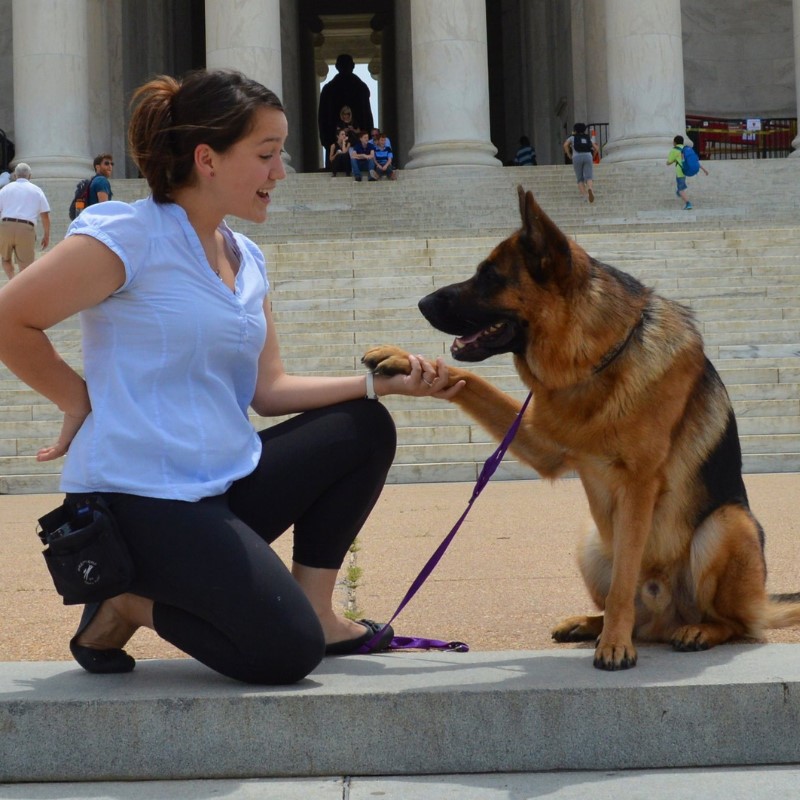
Dog trainers do more than teach dogs to sit and stay. Teaching basic skills and addressing problem behaviors are parts of the job, but they don’t make up the whole picture. Trainers teach skills, assess behavior, design training plans, and educate the people responsible for applying training with the dog daily. Being an effective dog trainer requires clear communication, sound judgment, responsible decision-making, and hands-on dog-handling skills.
As a dog trainer, you will:
- Teach people how to apply the training consistently
- Work with dogs who have common behavior problems
- Create a training plan based on how dogs learn
- Give clear instructions to owners, handlers, and caretakers
- Adapt training to meet the learning styles of dog owners, handlers, and caretakers
- Manage training to keep people and dogs safe
- Track progress and decide how to proceed
- Work within professional and ethical standards
There are many career opportunities within the profession:
- Group classes
- Private lessons
- Puppy development programs
- Shelter and rescue support
- Day training and board-and-train
- Service dog training
- Behavior consulting
- Sport, breed, or age-specific specialties

Is Dog Training the Right Career for You?

Successful trainers don’t come from a single background. They do tend to share qualities that make them effective. You might be a good fit for professional dog training if you’re patient, are steady under pressure, communicate clearly with a wide range of people, and have a genuine interest in how people and dogs learn and behave. The work suits people who notice small details, think carefully about safety and ethics, and are comfortable working through challenges rather than avoiding them. Most of all, it’s a good fit if you’re willing to keep learning as the work and the science continue to evolve.
Training dogs requires a willingness to learn, practice, and refine your skills. That’s what separates hobbyists from professionals.
Your Pathway Into the Profession
A Step-by-Step Journey for Aspiring Trainers
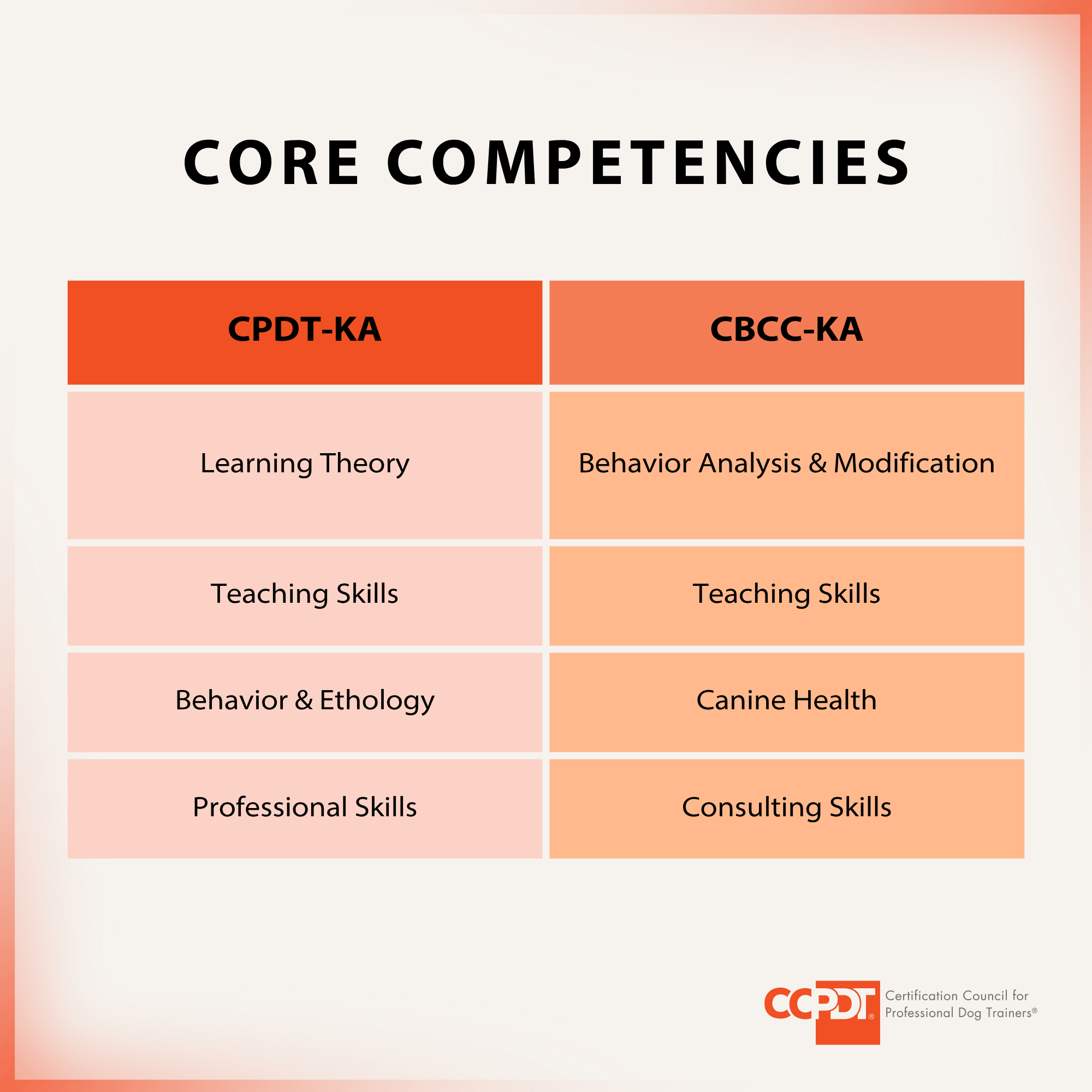
Becoming a trainer doesn’t happen overnight, and there isn’t just one “correct” path to get there. Most professionals follow a progression that looks something like this:
Step 1: Learn About the Profession
Explore what trainers do, watch group classes, read about different training approaches, and learn how the industry works. This step provides clarity and helps you determine where you might fit.
Step 2: Build Foundational Knowledge
Start studying learning theory, behavior science, canine body language, welfare principles, and safe handling. Books, reputable courses, and webinars can give you a strong base.
Browse Resources
Step 3: Get Hands-On Experience
The profession comes to life through practical work. Shadow trainers, take a job as an assistant trainer, volunteer in shelters, assist with classes, or join local dog clubs. Hands-on experience with a variety of dogs, not just your own, is a must.
Find a Certified Trainer to Work With
Step 4: Begin Working With Clients
Start with supervised or entry-level roles. This is where you learn to teach people, structure lessons, set expectations, and support clients through challenges.
Step 5: Get Certified
Certification is a voluntary milestone that demonstrates you meet measurable standards for competence, ethics, and professionalism. Employers and clients recognize CCPDT certification as a trusted indicator of competence.
Learn More About Certification
Step 6: Find Your Niche or Specialty
As your career grows, continuing education helps you develop depth in areas that interest you most — whether that’s reactivity, separation anxiety, sport training, or working with specific populations. Many trainers find that specializing not only sharpens their skills but also strengthens their reputation and business over time.
Why Certification Matters
Certification is not a legal requirement to become a dog trainer, but it is one of the strongest ways to show clients that you are competent and take your work seriously.
For Consumers:
- Certification gives clients confidence that they’ve hired someone who meets measurable industry standards.
- It signals that you follow a code of ethics and use humane, science-based practices.
- It helps the public navigate a profession where quality varies widely.
For Aspiring Professionals:
- Certification sets you apart in a crowded market.
- Validates your knowledge and skills against established criteria.
- Reinforces the importance of professionalism and accountability.
- Aligns you with a community committed to ongoing education and competence.
The CCPDT is a leader in standardized, independent certification for dog trainers and behavior consultants. Our exams are built on validated competencies, and certificants commit to continuing education and ethical practice. Certification reflects your dedication to doing this work responsibly.
CCPDT Certifications at a Glance

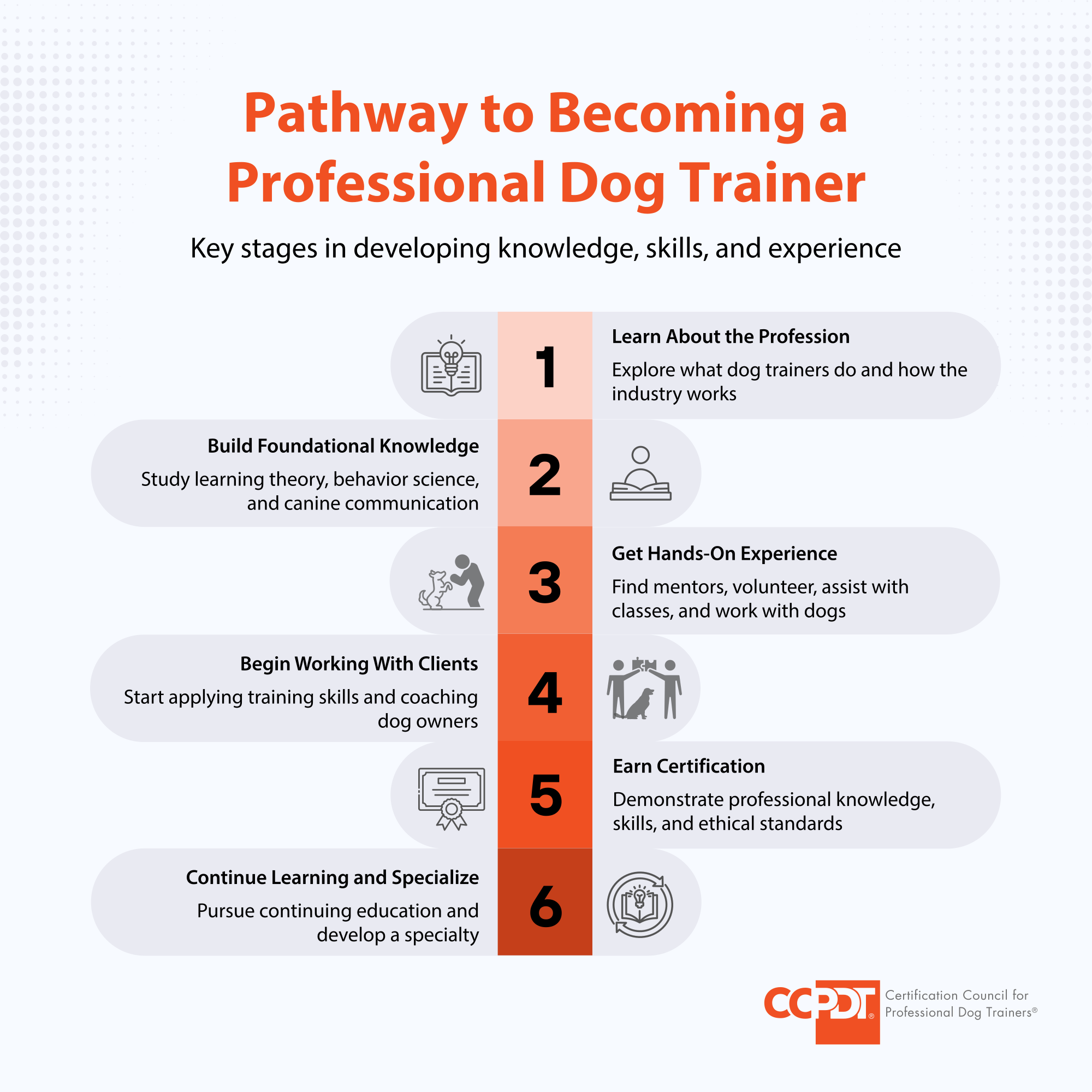
There are three credentials recognizing knowledge, skills and behavior expertise. Professionals may hold one or more CCPDT certifications depending on their area of focus:
CPDT-KA® – Knowledge Assessed
Perfect for trainers ready to demonstrate a solid understanding of behavior science, training principles, and instruction.
CPDT-KSA® – Knowledge & Skills Assessed
Evaluates hands-on skills through practical exercises and client-instruction demonstrations.
CBCC-KA® – Behavior Consultant, Canine, Knowledge Assessed
Designed for experienced professionals addressing complex behavior issues such as fear, aggression, separation anxiety, and phobias.
Frequently Asked Questions
Not at this time. But certification helps you demonstrate competence, build trust with clients, and stand out in the industry.
Everyone’s timeline is different. Most trainers spend several months, even a year, building knowledge and gaining experience before working with clients independently.
Trainers focus on teaching skills and everyday behaviors. Behavior consultants specialize in complex behavior challenges rooted in fear, anxiety, aggression, or other emotional factors.
Shadow certified trainers, volunteer in shelters, take a job as an assistant trainer, assist in group classes, or participate in apprenticeship programs. Working with many dogs is essential.
Most people begin with the CPDT-KA. It evaluates the knowledge needed to practice professionally.
No formal degree is required. What matters is your knowledge, skills, professionalism, and commitment to humane, effective practices.
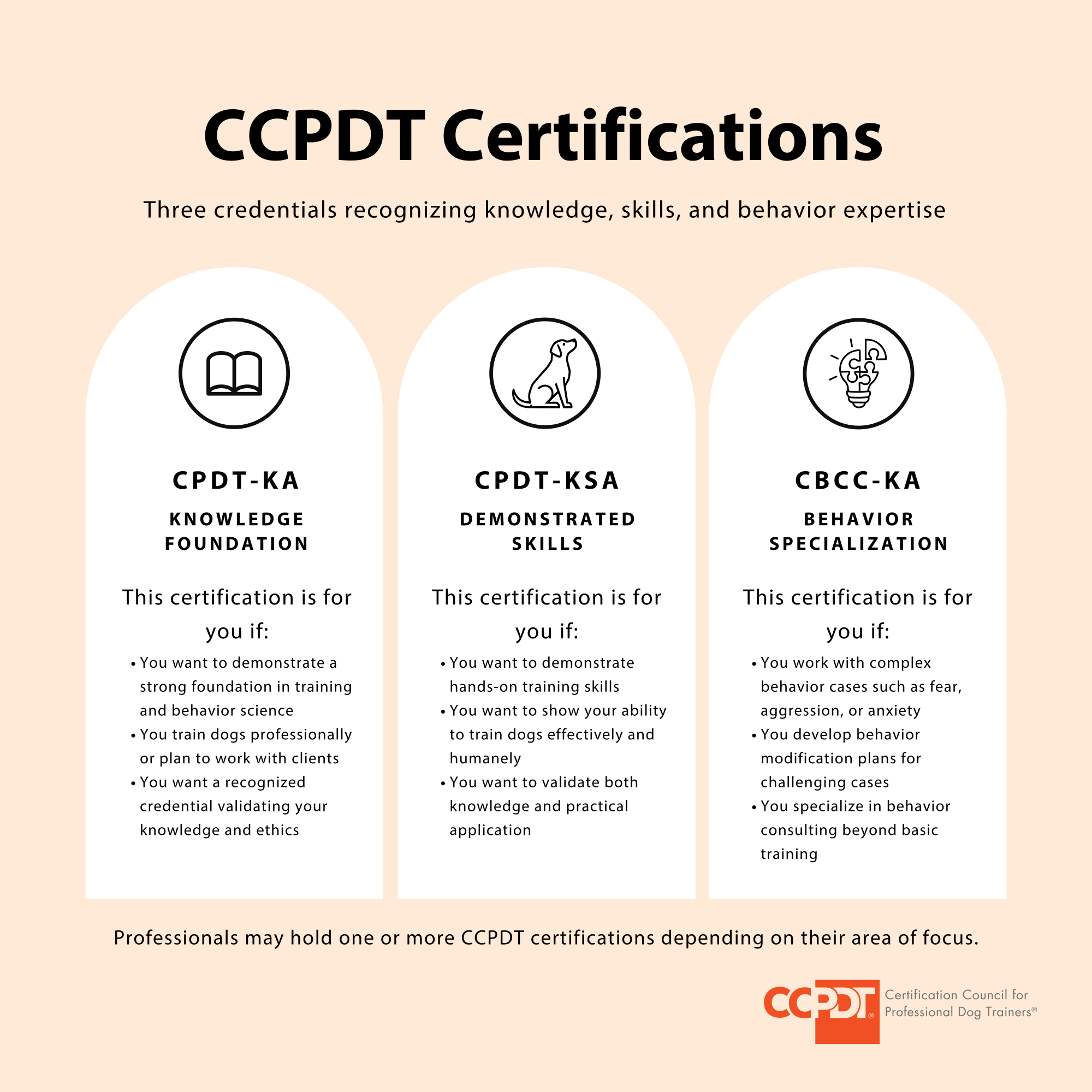
Applied Learning Theory, Instruction and Teaching Skills, Canine Behavior, Ethology, and Well-Being, Professional Skills, Ethics, and Laws and Regulations.

Ready to Take Your Next Step?
If you’re considering becoming a dog trainer, you don’t have to figure it out on your own. Whether you’re just starting to explore the profession or getting ready to study and gain experience, the CCPDT offers resources to help you take the next step.
- Learn more about each CCPDT certification
- Review exam eligibility requirements
- Browse the CCPDT certificant directory
- Explore job opportunities on the CCPDT job board
- Contact us with questions about getting started